I can’t really give specifics, but let’s say there have been a few times when I have pushed a team to talk about something they really don’t want to. Sometimes, it’s out of fear; sometimes, it’s because of their desire for an easy life because, let’s be honest, conflict is rarely easy.
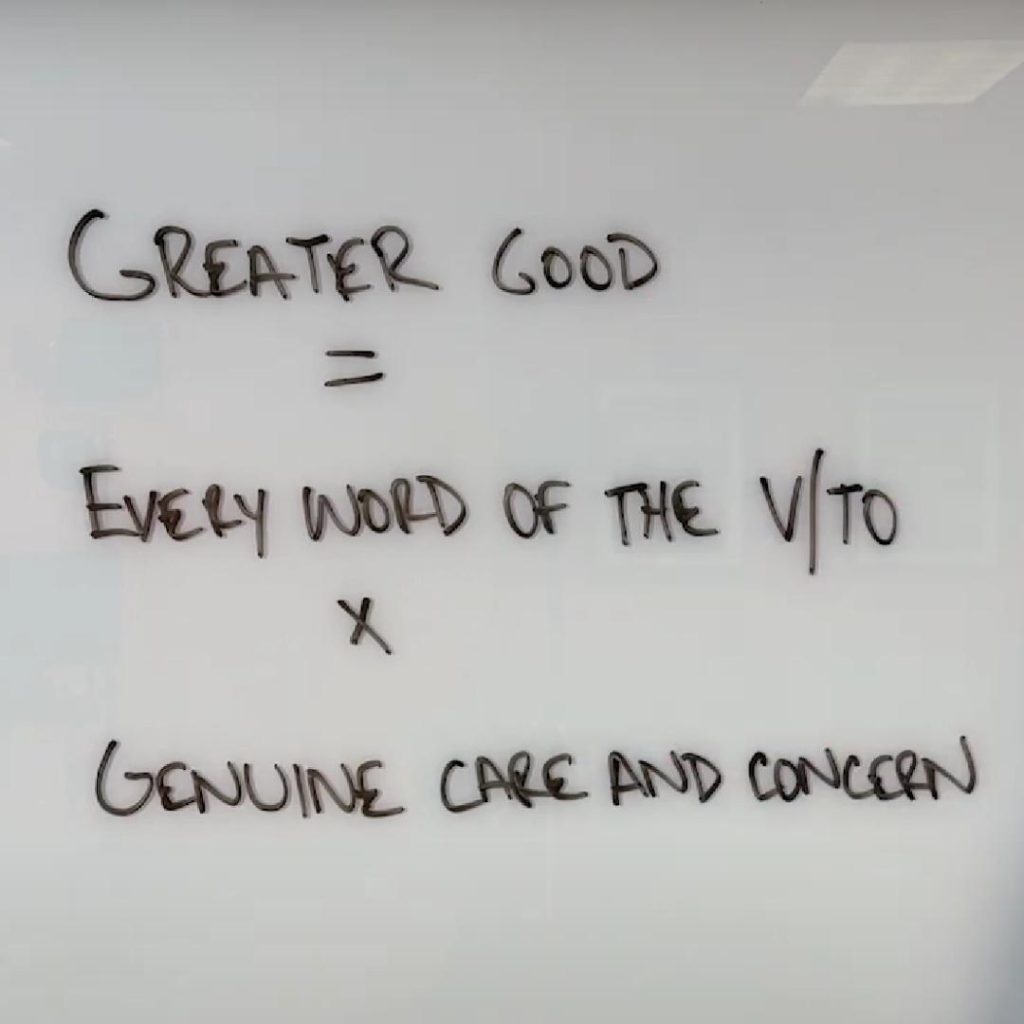
Neither is for the greater good of the company and so we explore…
For example, when a business cries poor, the owner appears to be taking money out of the business for personal benefit, like a golf club membership.
The rest of the leadership team might find this objectionable, but if they don’t raise it, it won’t be addressed.
Also, having the conversation might reveal things you weren’t aware of that might change your viewpoint.
But you must have that conversation to get you all on the same page.
Here is how that scenario might have played out:
The Scenario
A business owner repeatedly claimed the company struggled financially, cutting costs and asking employees to tighten their belts. However, during a routine financial review, the leadership team discovered something concerning: the owner used company funds to pay for a private golf membership.
Addressing the Issue
- Acknowledge the Problem: The leadership team recognised the inconsistency between the owner’s claims of financial hardship and the personal expenses being charged to the company.
- Gather Facts: They compiled evidence of the expenditures and assessed the impact on the company’s finances.
- Create a Safe Space: The team prepared for a candid discussion, ensuring the meeting would be safe for honest dialogue.
- Address the Elephant in the Room: During the meeting, they respectfully but directly presented the findings to the owner, highlighting the discrepancy and its implications for the business.
- Follow Through: They worked with the owner to establish new financial guidelines, ensuring personal expenses were clearly separated from company finances. They also set up regular audits to maintain transparency.
The Outcome
By entering the danger and addressing the issue head-on, the leadership team restored financial integrity and trust within the company. The owner acknowledged the mistake, and together, they implemented practices that ensured the company’s resources were used appropriately. This transparency led to renewed confidence among the employees and positioned the company for sustainable growth.
Key Takeaways
- Transparency is Crucial: Openly addressing financial mismanagement fosters a culture of trust and accountability.
- Lead by Example: Business owners and leaders must align their actions with the company’s values and financial policies.
- Long-Term Benefits: Confronting uncomfortable issues can lead to healthier business practices and a stronger team.
Or maybe it went another way…
In some cases, what might initially seem like an inappropriate expense can actually be justifiable if it aligns with the business’s interests.
The Scenario
A business owner uses company funds to pay for a private golf membership. At first glance, this might seem like a misuse of resources. However, upon closer examination, the context reveals a different story.
Context and Justification
- Business Development: The owner frequently uses the golf club to host clients and business partners. Many high-value deals and partnerships are discussed and negotiated over rounds of golf, and the club serves as a key venue for networking and relationship building.
- Marketing and Branding: The owner’s presence at the golf club elevates the company’s visibility and reputation within an exclusive community of potential clients and partners. This aligns with the company’s marketing strategy to target high-net-worth individuals.
- Client Entertainment: The golf membership is part of a broader strategy to entertain and maintain strong relationships with key clients. The costs associated with the membership are offset by the revenue generated through these high-value relationships.
Addressing the Team
- Transparency: The owner communicates the strategic value of the golf membership to the leadership team, explaining how it benefits the business.
- Documentation: They ensure all expenses related to the golf membership are appropriately documented and linked to specific business activities.
- Policy Alignment: The expense is reviewed and approved in accordance with the company’s expense policies, ensuring it is reasonable and justified.
The Outcome
By clearly articulating the business rationale behind the golf membership, the owner gains the leadership team’s support. The team understands the strategic importance of the expense and its contribution to the company’s growth.
In this context, paying for the business’s golf membership is appropriate and beneficial, highlighting the importance of strategic thinking and clear communication.
I’ll let you decide what you think really happened.
What is always important is that the issue isn’t ignored, swept under the carpet or glossed over.
Entering danger is never easy, but it’s essential for your business’s greater good. You can build a more transparent, trustworthy, and resilient organisation by facing these challenges directly.
By entering the danger, you’ll gain three things:
- Enhanced Problem-Solving: When issues are out in the open, your team can collaboratively develop solutions, fostering a culture of innovation.
- Stronger Team Cohesion: Facing challenges together strengthens team bonds and enhances collaboration.
- Sustainable Growth: Addressing problems head-on ensures your business can grow sustainably without underlying issues undermining progress.
Entering the danger is not about seeking conflict but about ensuring your business’s long-term health and success. By embracing this approach, you can lead your company through tough times and emerge stronger and more resilient.
For the greater good of your business, let’s face those challenges together.
Feel free to reach out if you need support in tackling the tough issues. Remember, the most demanding challenges often lead to the most significant growth.
If you’re wondering where your team sits, take a look at this.